Memory foam pillows are designed to respond to pressure and warmth, gradually shaping around the head and neck. This contouring can help distribute contact more evenly than a pillow with a loose, shifting fill. In bedding, pillow height, firmness, and sleeping position all influence whether a memory foam pillow feels supportive and comfortable.
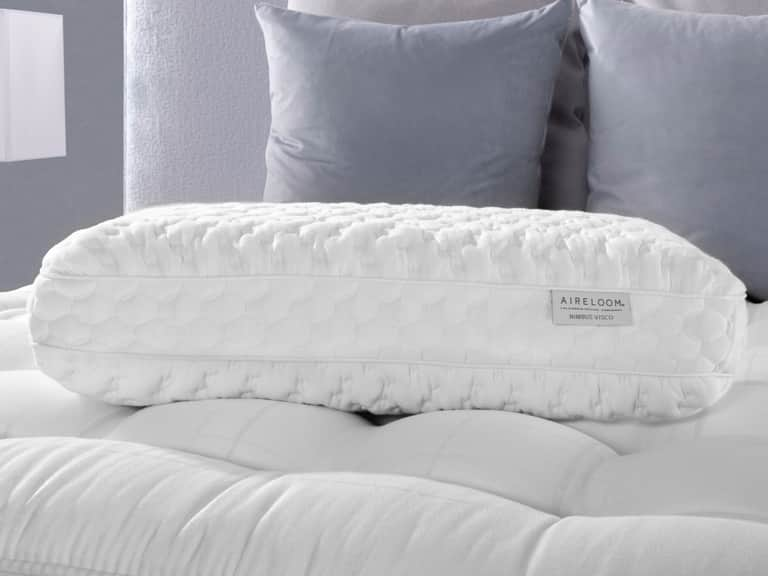
The Aireloom Nimbus Visco High Profile Pillow is a memory foam pillow with a high-profile shape. Its viscoelastic foam is intended to contour under pressure while providing a more substantial loft. A higher pillow profile may suit some side sleepers, though individual comfort depends on shoulder width, mattress firmness, and preferred neck alignment.
When evaluating pillows, consider how the loft keeps the head level with the spine in a usual sleeping position. Memory foam’s close conformity may feel different from fiber or down alternatives, and response can vary with room temperature. Checking dimensions, care guidance, and material details helps clarify how a pillow may fit into existing bedding.
Memory foam pillows are typically used to support the head and neck during rest, but no single design works for everyone. Back sleepers often prefer a moderate loft, while side sleepers may need more height to fill the space between shoulder and head. Stomach sleepers commonly find a lower profile more suitable for comfortable positioning.
Keywords such as bedding, pillows, and memory foam pillows describe this category, while organic mattresses and organic crib mattresses refer to related sleep products rather than pillow materials. Comparing construction, profile, and care instructions across these bedding categories helps distinguish their purposes and identify which characteristics matter for adult sleep, nursery use, or a coordinated sleep setup.
 Bedding