Nursery buying guide · NYC Mattress Guide
A Parent’s Guide to Choosing a Naturepedic Crib Sleep Surface
A thoughtfully prepared crib begins with the essentials: a mattress that fits the crib as intended, a firm and flat sleep surface, and bedding chosen for practical care rather than decorative effect. When considering Naturepedic options, take time to understand the difference between a crib mattress and the pads or toppers that may be designed to go with it. Materials and certifications matter, but so do fit, everyday maintenance, and the instructions supplied by the crib and mattress manufacturers.
For New York City families, nursery shopping may also involve compact rooms, walk-up buildings, timed deliveries, and limited storage. Those details can make a well-researched decision feel less like an indulgence and more like an exercise in calm, considered editing. This guide offers a clear framework for evaluating a baby’s crib sleep surface without relying on broad labels or treating any single material as a substitute for safe setup.
Begin with the crib, not the bedding
Before comparing a Naturepedic crib mattress or selecting a protector, identify the exact crib model and read its manual. Cribs are designed around specified mattress dimensions and sometimes include additional instructions about mattress thickness, adjustable support positions, or compatible accessories. The manufacturer’s guidance is the starting point; general measurements found online cannot confirm that a particular mattress is suitable for a particular crib.
Once you know the crib’s requirements, check the mattress dimensions and confirm the fit in the assembled crib. The sleep surface should sit level and snugly within the frame, without a concerning gap along the sides. Check all edges, not just the most accessible side, and repeat the check if you change the mattress height or move the crib. If the fit is uncertain, pause and consult the crib and mattress manufacturers rather than trying to solve the problem with extra padding.
This is especially useful when buying a crib second-hand, inheriting a family piece, or furnishing a smaller apartment where an unusual furniture footprint can complicate shopping. Measure the interior dimensions according to the crib maker’s instructions and verify the product specifications before ordering. A mattress being described as “crib size” is not, on its own, proof that it matches every crib.
There is also a practical distinction between a mattress and a mattress pad. The mattress is the principal sleep surface; a pad is an accessory that may be intended to protect or add a layer to it. A protector or pad does not correct a poor mattress fit, change the crib’s approved dimensions, or make an unsuitable mattress appropriate. Treat each component as a separate decision, and confirm that any accessory is intended for the specific use you have in mind.
Firm, flat, and fitted: the fundamentals
For an infant sleep space, the central questions are not whether a surface looks plush or feels luxurious to an adult, but whether the complete setup follows current safe-sleep guidance and the instructions for the crib and mattress. Public health guidance commonly emphasizes a firm, flat sleep surface, with the baby placed on their back and the sleep space kept clear of loose bedding and soft objects. Families should consult their pediatrician and trusted public health sources for individualized questions, and follow the latest recommendations in their jurisdiction.
A beautifully quilted pad, a soft topper, or an extra layer of bedding may appear to offer comfort, but appearance is not a safety assessment. Do not add a mattress topper, pillow, comforter, loose blanket, or other item to an infant’s crib unless the product is specifically appropriate for that use and its inclusion is consistent with current safety guidance and the crib and mattress instructions. In particular, a product described as a “topper” deserves careful scrutiny: its intended age, use, fit, and installation should be clearly understood before it is considered for a baby’s sleep space.
Look for plain, specific product information. Is the item a mattress, a fitted protector, a flat moisture pad, or a cushioned topper? What age or sleep setting is it designed for? Does the manufacturer identify compatible mattress dimensions? Does it sit beneath a fitted sheet, or is it intended to be used in another way? If a listing does not clearly answer these questions, contact the manufacturer before use.
“Firm” is not a marketing flourish to interpret by touch alone. Do not attempt to make a safety judgment based only on how a mattress feels in a showroom or how it compares with an adult bed. Choose a product represented as suitable for the crib and follow the relevant manufacturer’s instructions and applicable safety guidance.
What to look for in Naturepedic materials
Naturepedic is associated with organic bedding and crib products, but brand reputation and terms such as “natural,” “organic,” or “non-toxic” do not replace a close read of an individual product specification. Materials, construction, certifications, and care directions can differ between models. Compare the actual item rather than assuming every product under one name has the same contents or performance.
When reviewing a Naturepedic crib mattress, note the materials in each relevant layer, the mattress dimensions, the surface construction, and any statements about waterproofing or cleaning. If organic materials are important to your household, look for the particular certification named by the manufacturer and check which components it covers. A certification’s scope matters: it may apply to specified materials or manufacturing steps, not automatically to every feature of a product.
Waterproofing is another detail worth understanding. A waterproof layer may help prevent liquid from reaching the mattress core, but the product description should explain how that layer is constructed and how the surface should be cleaned. Ask whether the mattress itself has a waterproof surface, whether a separate protector is recommended, and whether adding one affects fit or the manufacturer’s instructions. Avoid assuming that a waterproof label means the whole mattress can be immersed, machine washed, or treated with any household cleaner.
Consider the surface fabric and the way its layers are assembled. These details can affect how a mattress feels to an adult handling it, how easily it can be wiped or cleaned, and what care is practical after a spill. They do not, by themselves, establish that an item is appropriate for an infant. Suitability, fit, construction, and safe use remain the priorities.
It can also help to separate evidence from atmosphere. A clean palette, natural-fiber language, and thoughtful packaging may contribute to a pleasing nursery, but they are not substitutes for legible specifications. The most reassuring product page is one that makes the materials, intended use, dimensions, cleaning method, and warranty or care limitations easy to find.
Waterproofing, washability, and the realities of daily care
New parents often focus on materials first and discover only later that care instructions shape daily life. Ask what happens after a small spill, a diaper leak, or routine laundering of a separate pad. Some products are designed to be wiped clean, some have a washable cover, and some accessories can be machine washed under specific conditions. These are not interchangeable claims. Read the label for temperature, cycle, drying, and cleaning-product guidance, and follow it closely.
A waterproof crib pad can be useful when the manufacturer identifies it as compatible with the mattress and intended for crib use. One example in the product range is the Naturepedic Waterproof Organic Cotton Crib Mattress Pad. Its product description specifies a soft organic cotton flannel top, organic cotton muslin underside, and a thin waterproof inner layer. It is described as a flat moisture pad that can be layered under a crib sheet for extra protection, and the listed care instructions are machine wash and dry. Before purchasing or using it, verify the current product details, dimensions, and directions, and make sure its placement is consistent with the crib and mattress manufacturers’ guidance.
That flat moisture pad should not be confused with every product called a mattress pad or topper. Names can be used inconsistently across the bedding market, while the construction may range from a thin protective layer to a more visibly quilted, cushioned design. For an infant crib, the intended function and installation matter more than the category label. If a product adds loft or changes the surface, ask the manufacturer and your pediatric care provider whether it is appropriate before use.
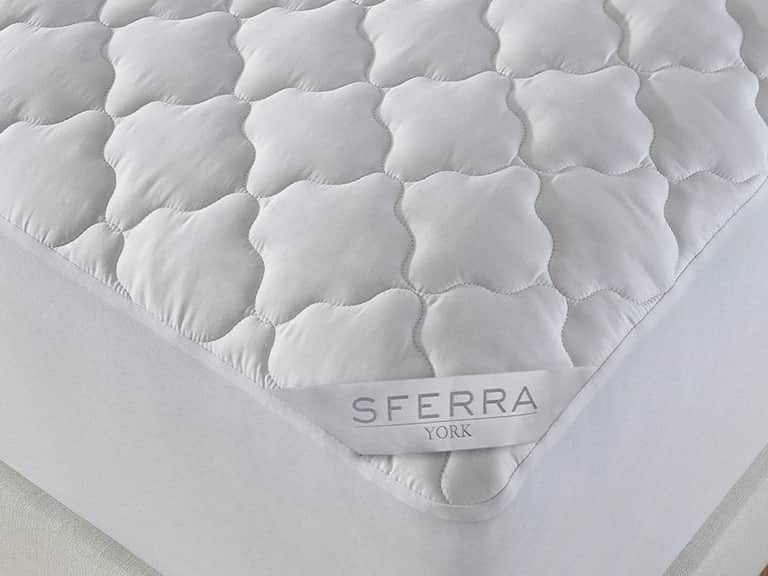
Another listed option, the Organic Crib Mattress Pad, is described as organic cotton inside and out, with two-inch quilted squares and a percale cover. Its listing identifies it as a protective layer beneath a fitted sheet and provides washing instructions. Because quilted construction and product naming can be misunderstood, review the full description and current guidance before adding it to a baby’s sleep surface. Do not infer suitability from organic materials or a crib-size label alone.
For any washable item, plan for the complete care process. Check whether it needs a gentle cycle, a particular drying temperature, or prompt removal from the dryer. Confirm that the item can be cleaned at home, rather than requiring specialist care. A product that is simple to maintain is more likely to fit a busy routine—but convenience should never lead to improvising a use that the maker does not describe.
How to compare options without being distracted by labels
A practical comparison begins with the basics and works outward. First, establish whether the product is a mattress or an accessory. Next, verify the model’s dimensions and compatibility with the crib. Then review materials, construction, waterproofing, care, certification details, and warranty terms. Only after those points are clear should you weigh preferences such as fabric feel, sourcing, or ease of laundering.
Some parents prioritize organic materials; others are most concerned with easy cleaning, a particular construction, or transparent documentation. These priorities can coexist, but they should be expressed as questions that a product page or manufacturer can answer. For example: Which components are certified? What is the mattress core made from? How is the waterproof barrier integrated? What cleaning products are permitted? Is a particular fitted sheet recommended? Can the mattress be used with the chosen crib model?
Be cautious with absolute claims. Words such as “chemical-free,” “completely safe,” or “best for every baby” are too broad to replace product-specific information. Materials are made of substances, and product claims should be understood in context. Seek precise descriptions, named standards, and clear limits rather than relying on phrases that promise more than a manufacturer can meaningfully document.
Price is another useful but incomplete comparison. A higher price may reflect materials, construction, manufacturing, or brand positioning; it does not automatically establish better fit or greater suitability for a particular crib. Compare the specifications and what is included. If a mattress protector is sold separately, include that in your budget. If a delivery service offers setup or removal, confirm the cost and exactly what the service covers.
- Product type: Is this the crib mattress, a fitted protector, a flat moisture pad, or a cushioned topper?
- Compatibility: Does the crib manufacturer permit the item, and do the stated dimensions match?
- Construction: What materials make up the surface, core, barrier, and cover?
- Care: Is the item wipe-clean, machine washable, or limited to spot cleaning?
- Documentation: Are certifications and claims explained with enough detail to assess their scope?
- Practicality: Can the product be delivered, carried, stored, and maintained in your home?
A note on crib toppers and accessories
The word “topper” can sound appealing: a simple way to add softness, comfort, or a more finished look. In an infant nursery, however, it should prompt extra care. Adult mattress toppers are designed to alter the feel of a bed, and a cushioned product intended for another sleep setting should not be assumed to belong in a crib. Even a baby-specific accessory must be used only as directed, with attention to its intended age, fit, and instructions.
A Naturepedic crib topper, if you are considering one, should be evaluated by its exact product documentation—not by its name or the materials it uses. Confirm that the manufacturer explicitly identifies it for the intended crib and age, understand how it attaches or sits, and check whether its use is consistent with current safe-sleep recommendations. If the information is unclear, do not place it in the crib until you have received a clear answer from the maker and appropriate professional guidance.
In many cases, restraint makes a nursery easier to care for as well as easier to style. A correctly fitted mattress, a fitted sheet recommended for that mattress, and only those accessories that are clearly appropriate can create a more straightforward setup than layers chosen for appearance. Keep the sleep space uncluttered and reserve decorative cushions, quilts, and throws for supervised moments outside the crib.
The NYC checklist: delivery, space, and setup
Choosing a crib sleep surface in New York City involves a few logistical questions that are easy to overlook when shopping online. Measure the nursery and the crib location, but also consider the route from the building entrance to the room. A mattress that fits the crib still has to pass through doorways, corridors, stairwells, and elevators. Check whether packaging dimensions are available, and ask the retailer or manufacturer about delivery, appointment windows, and what happens if access is limited.
In a small apartment, storage deserves equal consideration. If you are purchasing a spare protector or sheet, choose a place to keep it clean and dry without crowding the sleep area. A compact laundry setup may influence which care instructions are realistic: frequent machine washing is less convenient if the item requires a special cycle or an oversized washer. Read the care label before buying rather than discovering limitations during a late-night change.
Building rules can also shape delivery. Ask whether a freight elevator must be reserved, whether the building requires insurance documents from delivery personnel, and whether old mattress removal is available. These services vary, so confirm the details in writing. If you are moving into the city, avoid scheduling delivery for the moment of arrival unless the apartment, crib, and building access are all ready.
Finally, set up the crib according to its manual on a stable, level floor. Recheck the mattress fit after assembly and after any adjustment to the crib base. Keep the manufacturer’s instructions and product labels accessible; they are useful references if you later need to identify the model, verify a care method, or ask a specific compatibility question.
A calm, considered buying process
It is tempting to make nursery shopping a search for the most reassuring adjective. Organic, breathable, waterproof, premium, natural: each may describe a meaningful attribute, but none tells the entire story. A more grounded approach asks what the product is, how it is constructed, whether it fits the crib, what its instructions say, and how it will be cared for. That sequence makes the decision less vulnerable to marketing language and more useful to the family who will live with it.
Give yourself time to compare current product specifications. Online listings can change, and a familiar name does not guarantee identical construction across models or production dates. Confirm dimensions and care directions directly with the manufacturer when details are missing. Save the product page, receipt, and warranty information after purchase, and inspect the delivered item for the correct model and condition before setup.
For parents navigating conflicting advice, remember that consumer guidance is not a substitute for medical care. If a baby has a particular health condition, or if you are unsure how a product fits into your sleep plan, speak with your pediatrician. The goal is not to create a perfect-looking nursery; it is to make informed choices and establish a clear, consistent sleep environment.
Questions parents often ask
How do I know if a crib mattress fits?
Start with the crib manufacturer’s sizing guidance, then compare it with the mattress specifications and test the fit in the assembled crib. The mattress should sit snugly, without a concerning gap around its edges. If the fit is uncertain, contact both manufacturers before use.
Is an organic crib mattress automatically the right choice?
Organic materials may be an important preference, but the label alone does not establish compatibility or suitability. Review the product’s exact construction, dimensions, intended use, care directions, and the scope of any certification.
Can I add a mattress pad or topper to a crib?
Do not assume that a pad or topper is appropriate because it is sold for a crib or made from natural materials. Check the manufacturer’s instructions and current safe-sleep guidance, confirm the item is specifically intended for the use and age in question, and seek professional advice if anything is unclear.
What should I ask about waterproofing?
Ask where the waterproof layer sits, how the item is meant to be installed, what it protects, and how it should be cleaned. Confirm whether a separate protector is needed and whether adding one is compatible with the mattress and crib instructions.
What is the best way to compare Naturepedic options?
Compare exact models rather than brand-level claims. Check product type, dimensions, materials, construction, waterproofing, care requirements, certification details, and compatibility with your crib. When the listing leaves an important question unanswered, ask the manufacturer before purchasing.
The final edit
Choosing a Naturepedic crib sleep surface is less about accumulating layers than understanding the role of each one. Begin with the crib manual and a verified mattress fit. Look for a firm, flat sleep surface, follow current safe-sleep guidance, and evaluate any pad or protector by its precise construction and instructions. Consider materials and certifications with care, then make sure cleaning and delivery are realistic for your household.
In a city home where every square foot and delivery window matters, a clear checklist can bring welcome order to an emotionally charged purchase. The most thoughtful nursery is not necessarily the one with the most accessories. It is the one prepared with attention: a compatible crib and mattress, clear product information, sensible care routines, and a sleep space arranged according to the guidance that matters most.